
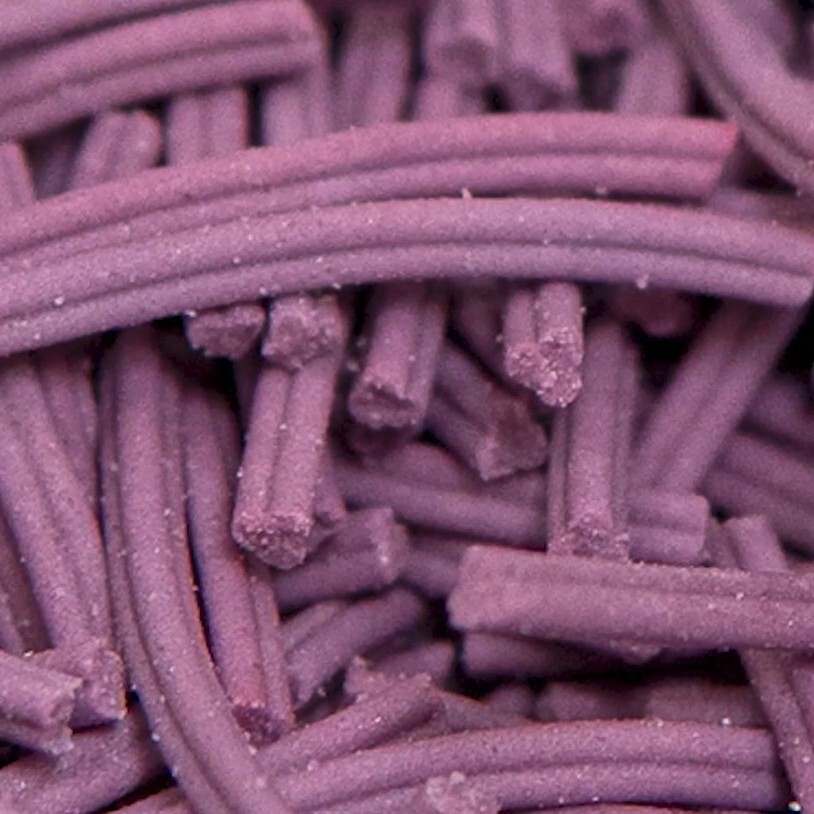

Developing a promising catalyst, adsorbent, Metal Organic Framework (MOF) or advanced material is only part of the challenge. Before meaningful performance testing, scale-up studies or process evaluation can begin, researchers often need to transform powders into robust, representative extrudates, granules or beads.
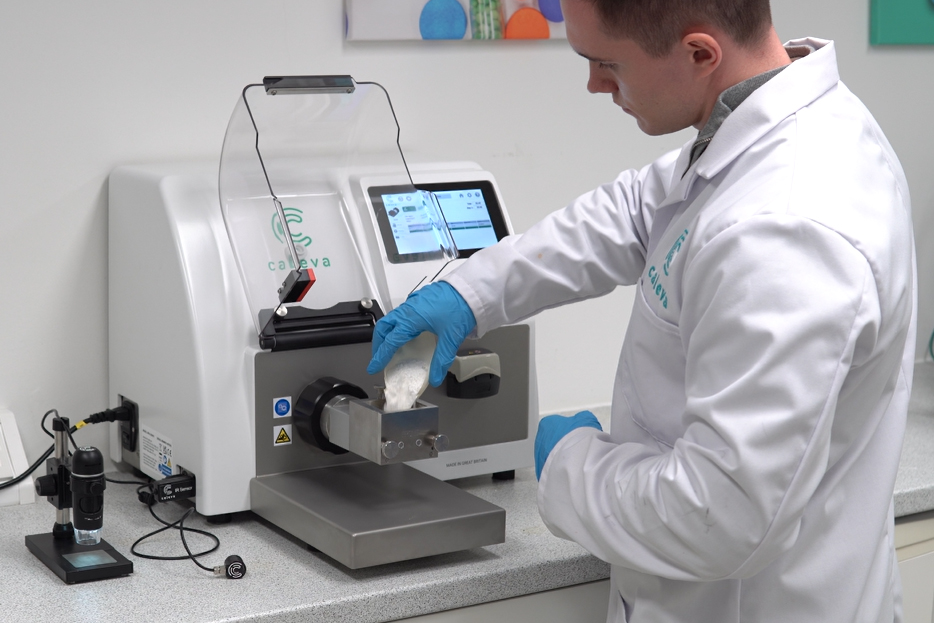
Many chemical formulations contain abrasive, difficult-to-process or high-value materials, making formulation development both technically challenging and expensive. Caleva's laboratory mixing, extrusion and spheronization solutions are designed to help scientists produce representative samples using minimal material, enabling rapid formulation optimisation, process evaluation and more confident scale-up decisions.
Whether you are developing catalysts, adsorbents, MOFs, zeolites, carbon capture materials, advanced ceramics or battery materials, Caleva provides flexible laboratory scale equipment to investigate processing parameters, extrudate geometry, granule robustness and quality before moving to larger scale production.
Many chemical formulations can accelerate wear of conventional laboratory equipment shortening service life, increasing maintenance requirements, and compromising process consistency and data accuracy. Explore the Caleva Chemical Kit, specifically designed for demanding chemical formulations.

Researchers at Zhejiang University used a Caleva Multi Lab to produce mechanically robust Metal Organic Framework pellets for greenhouse gas capture and separation studies, published in Nature Communications. The work demonstrated how advanced powder materials can be transformed into beads suitable for continuous process evaluation while preserving adsorption performance.
Reported outcomes:
Caleva systems are used to investigate:

Many advanced materials demonstrate exceptional laboratory performance in powder form but require shaping before meaningful process evaluation can begin. Caleva's extrusion and spheronization systems help researchers bridge the gap between material discovery and industrial application by producing representative extrudates and granules using minimal quantities of valuable material.
Wet mass extrusion and spheronization is a proven process for producing robust, uniform extrudates and spherical beads. Compared with alternative shaping methods, screw extrusion provides excellent control over extrudate outcomes, allowing formulation scientists to optimise extrudate quality, geometry and processing parameters in their formulation development.
Consistent Product Geometry: Produce extrudate and beads or granules with a more uniform size and shape, improving repeatability during formulation development and downstream processing.
Whether developing catalysts, adsorbents, MOF extrudates or other advanced chemical formulations, wet mass extrusion and spheronization provides a reliable and repeatable method to create representative laboratory scale samples. Caleva's range of extrusion and spheronization equipment enables researchers to investigate their processing variables with confidence.
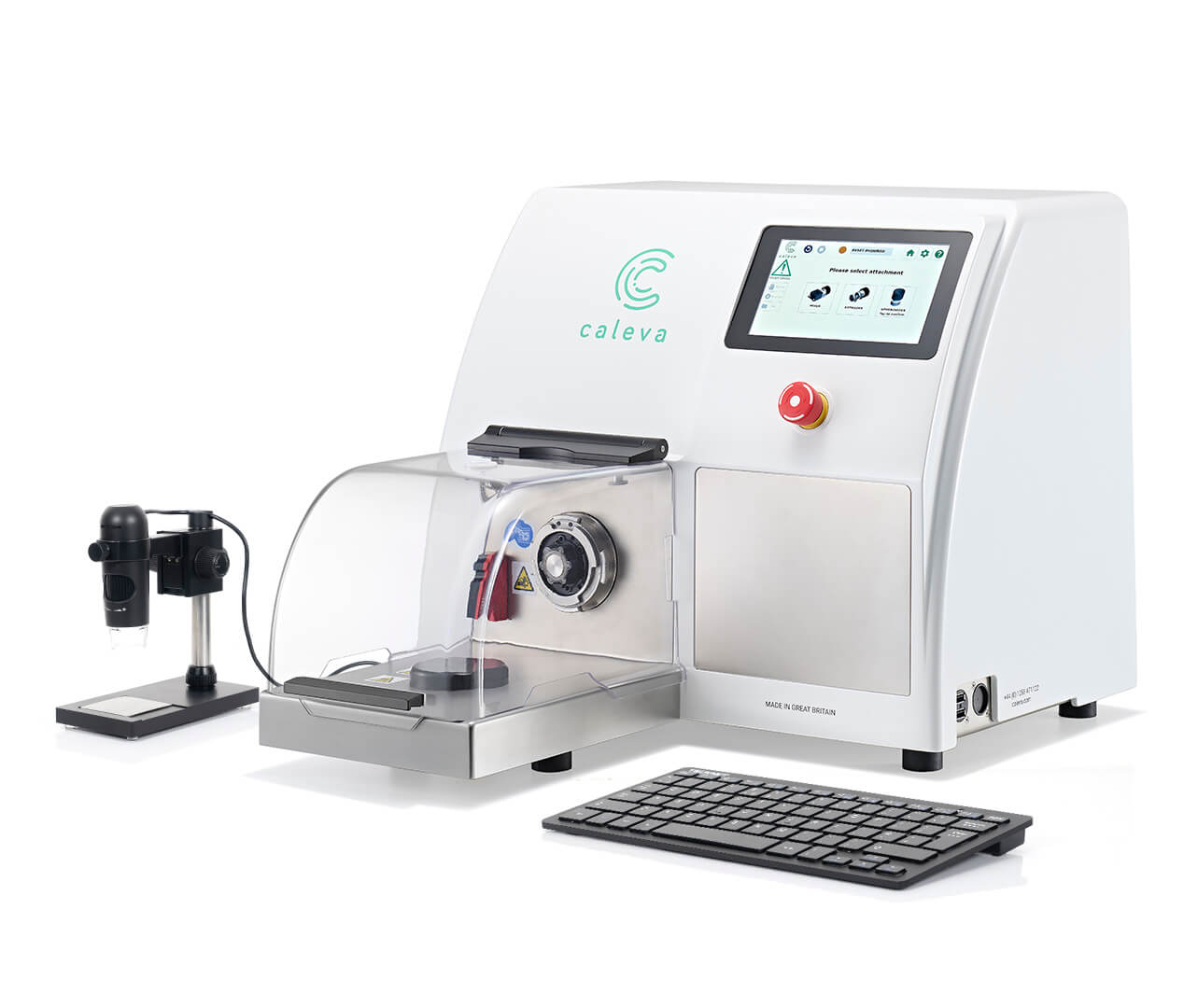
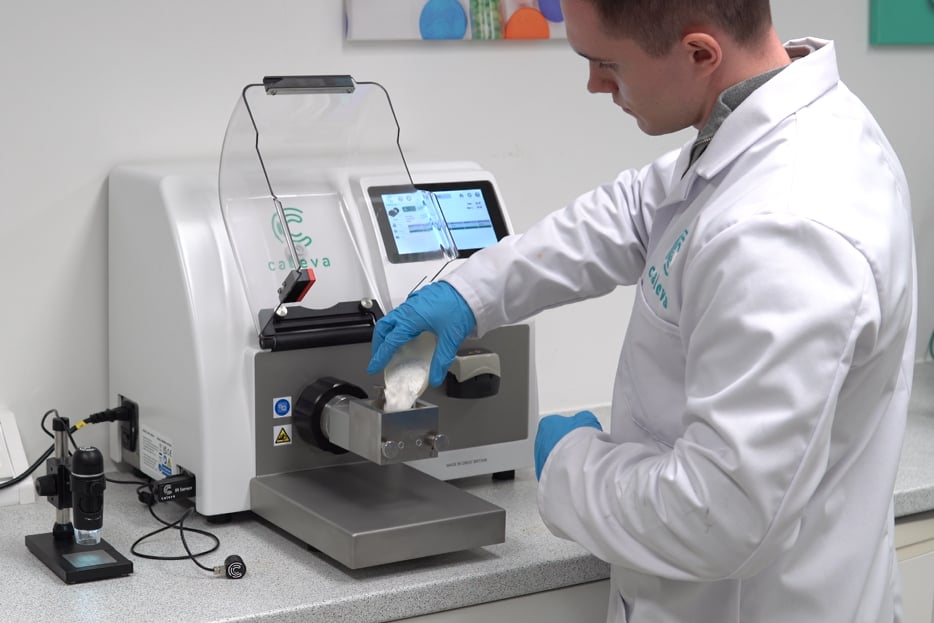
Designed for formulation development and process optimisation, our bench-top systems enable you to investigate the influence of processing parameters, die geometry and material characteristics before scale-up.
Many chemical formulations contain abrasive materials that can accelerate wear of conventional extrusion equipment. Caleva's chemical extruder for the Multi Lab system utilises a hardened 17-4 PH stainless steel screw and grooved extrusion barrel, providing improved durability and flow characteristics when processing catalysts, ceramics, zeolites and other demanding formulations.
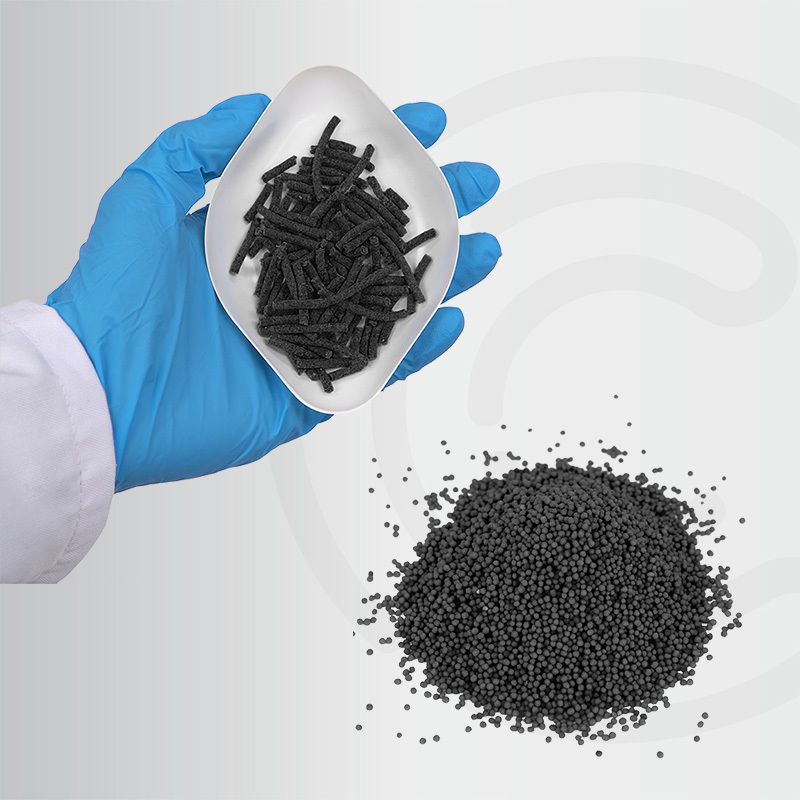
Interchangeable die faces allow formulation scientists to investigate different catalyst geometries. Evaluate cylindrical, trilobe and quadrilobe die designs to optimise for pressure drop, external surface area, mass transfer and reactor performance.
Many chemical formulations rely on scarce and expensive materials. Caleva's bench-top equipment is designed for small batch processing, allowing proof-of-concept studies and process optimisation to be carried out while minimising material consumption, waste, laboratory space and development costs.
The optimised blade profile in the Chemical (Sigma) Mixer maintains effective mixing performance while reducing strain on the drive system, helping to minimise mechanical stress and support longer motor life^.
Twin-flight pressing cams in the Chemical Screw Extruder create dedicated transportation and processing zones, promoting more consistent material flow and improving extrusion performance with challenging formulations^.
Not every application requires spheronization. Caleva's modular Multi Lab platform allows researchers to configure their system with only the attachments required for their process, whether that is mixing and extrusion alone or a complete mixing, extrusion and spheronization workflow. Additional attachments can be added as project requirements evolve, protecting your investment and reducing unnecessary upfront costs.
*Formulation dependent
^Compared to standard Caleva mixer and extruder attachments
Using the CML and MTR in combination we’re learning a lot about our catalyst material. The machines are easy to use, and we have achieved very accurate measurements, giving us precise repeatability. The MTR has been a massive advantage in our research and we’re doing things with the material we didn’t think were possible. The speed and ease of use have allowed us to conduct numerous experiments in a single day - we’ve accumulated vast amounts of data to inform our scale up.
IGTL Technology LTD
The quality of the first batches was great and we are positively surprised by the ease of use and time saved making the beads.
Department of Chemical Engineering Imperial College London
When transferring a new technology from R&D into production, process flexibility and equipment adaptability are key. Caleva was a true partner, working with us to find a creative solution to a difficult engineering problem.
Erik Koep Chief Executive Officer at Worn Again
In pig iron manufacturing, the physicochemical properties, such as particle-size distribution, wettability, and porosity, of raw powders often vary. This results in a large variation in the optimum water content for wet granulation of fine iron ore powders. We have demonstrated that the optimum water content for wet granulation of fine ore powders can be determined using the MTR, even when the raw ore powders varied.
Dr Nakamura Osaka Metropolitan University
Caleva were extremely nice and knowledgeable through presenting new technology and reliable products that achieve our client’s needs and satisfaction.
Qusay Kareem Knowledge House Engineering Supplies
Please call us without obligation.
+44 (0) 1258 471122Please call us without obligation.
+44 (0) 1258 471122